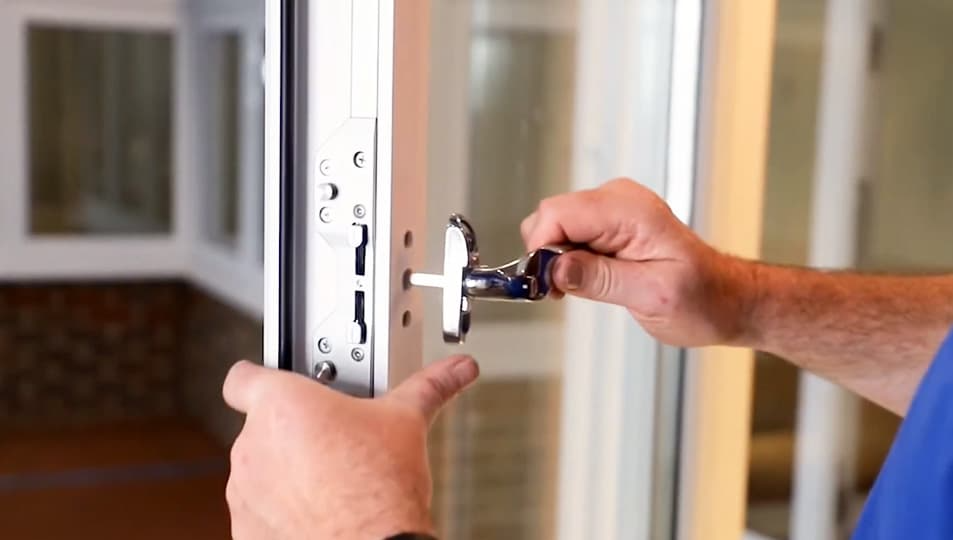
The Art of Door Lock Repair: A Comprehensive Guide
Door locks are necessary elements of any home or building, offering security and assurance. However, like any mechanical gadget, locks can wear, break, or malfunction with time. Comprehending how to repair a door lock can save time, cash, and the hassle of calling an expert locksmith. This thorough guide will stroll you through the procedure of detecting and fixing typical door lock problems, ensuring your home remains protected and functional.
Understanding Door Locks
Before diving into the repair procedure, it's crucial to understand the standard elements of a door lock. The most typical kinds of door locks consist of:
- Deadbolts: These supply the highest level of security and are generally utilized in combination with other locks.
- Lever Handles: Common in interior doors, these locks use a lever to turn the locking mechanism.
- Knob Locks: Found on outside and interior doors, these locks utilize a round system with a keyhole on the outside.
- Keyless Locks: These can be electronic or mechanical and utilize a combination or biometric information to lock and unlock.
Typical Issues with Door Locks
- Sticking or Jamming: The lock might not turn efficiently or may get stuck in one position.
- Run-down Parts: Over time, elements like springs, pins, and tumblers can break.
- Secret Issues: The key may not fit effectively or might be hard to turn.
- Weathering and Corrosion: Exposure to the elements can cause rust and corrosion, leading to lock failure.
- Misalignment: The lock and strike plate might not align properly, avoiding the door from locking appropriately.
Tools and Materials Needed
Before you begin, gather the following tools and materials:
- Screwdrivers: Phillips and flathead
- Lube: Graphite powder or silicone spray
- Replacement Parts: Springs, pins, tumblers, or a brand-new lock if essential
- Allen wrenches
- Pliers
- Flashlight
- Clean fabric
Step-by-Step Guide to Repairing a Door Lock
1. Diagnose the Problem
The very first step in any repair is to recognize the problem. Here's how to detect typical issues:
- Sticking or Jamming: Try turning the lock with the key. If it feels stiff, the lock may be dirty or require lubrication.
- Run-down Parts: If the crucial fits however doesn't turn, or if the lock is loose, internal components may be broken.
- Key Issues: If the key is difficult to place or turn, it may be worn or the lock might be filthy.
- Weathering and Corrosion: Check for noticeable signs of rust or rust.
- Misalignment: Ensure the strike plate and lock align effectively. The door needs to close smoothly without spaces.
2. Tidy the Lock
Dirt, debris, and deterioration can trigger a lock to stick or jam. Cleaning up the lock can typically solve these issues:
- Remove the Lock: Use a screwdriver to get rid of the lock from the door. For a deadbolt, eliminate the screws on both sides of the door.
- Dismantle the Lock: Take apart the lock, being cautious to track all the elements.
- Clean the Parts: Use a clean fabric to clean down the parts. For persistent dirt, use a mild cleaning agent and water.
- Lube: Apply graphite powder or silicone spray to the moving parts. Avoid utilizing oil-based lubricants, as they can attract more dirt.
3. Replace Worn Out Parts
If cleansing does not fix the problem, you may need to replace worn parts:
- Identify the Faulty Parts: Check for worn springs, pins, or tumblers. These are typically the perpetrators in a malfunctioning lock.
- Replace the Parts: Purchase replacement parts from a hardware store. Guarantee they are compatible with your lock design.
- Reassemble the Lock: Once the new parts are in place, reassemble the lock and reattach it to the door.
4. Check for Misalignment
If the lock and strike plate are misaligned, the door might not latch effectively:
- Adjust the Strike Plate: Use a screwdriver to loosen up the screws on the strike plate. Move it a little to line up with the lock.
- Test the Door: Close the door and inspect if it latches effectively. If not, make additional adjustments.
- Secure the Strike Plate: Once lined up, tighten the screws to secure the strike plate.
5. Check the Lock
After making repairs, test the lock to guarantee it works correctly:
- Insert the Key: Turn the key to lock and unlock the door. The lock ought to run efficiently.
- Examine the Latch: Ensure the lock engages fully and the door closes securely.
- Check the Handle: If you have a lever deal with or knob lock, guarantee it turns easily and locks as expected.
FAQs
1. How typically should I lubricate my door locks?
It's an excellent concept to lubricate your door locks every six months to a year, depending upon usage and ecological conditions. This can prevent sticking and prolong the life of the lock.
2. Can I use WD-40 to oil a door lock?
While WD-40 can be utilized in a pinch, it's not the best choice for long-term lubrication. WD-40 is an oil-based item that can attract dirt and dust, leading to more regular cleaning. Graphite powder or silicone spray are better options.
3. What should I do if my crucial breaks in the lock?
If your crucial breaks in the lock, do not attempt to require it out. This can harm the lock even more. Use pliers to carefully get rid of the damaged piece, or call an expert locksmith for assistance.
4. Can I replace a lock myself?
Yes, you can replace a lock yourself with the right tools and a bit of perseverance. However, if you are unsure or the lock is part of a security system, it's finest to call a professional.
5. How do I understand if I need a brand-new lock?
If your lock is consistently sticking, jamming, or not protecting the door appropriately, it may be time for a brand-new lock. click to investigate of wear and tear, such as rust or loose parts, are also indications that a replacement is needed.
Maintaining and fixing your door locks is an essential aspect of home security. By understanding the common problems and following the steps detailed in this guide, you can keep your locks functioning efficiently and your home secure. Routine maintenance and prompt repairs can extend the life of your locks and prevent more major issues down the line. If you encounter a problem you can't solve, don't think twice to call a professional locksmith professional for help.